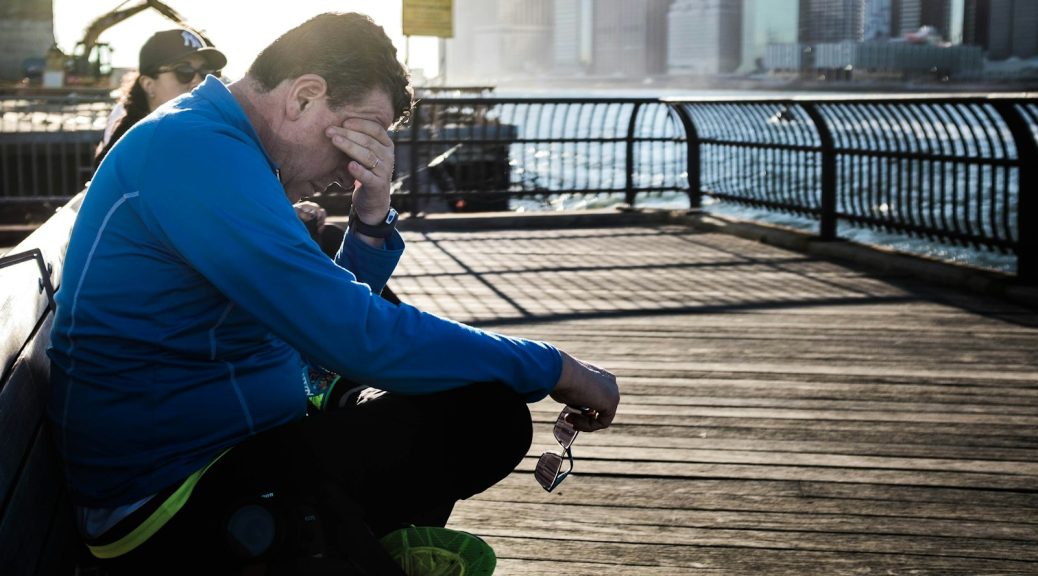
That stiff, achy feeling the day after a new workout has a name: delayed onset muscle soreness, or DOMS.
Quick points
- DOMS usually starts within a day of a new or harder workout and tends to be worst one to three days later.
- It typically eases by itself within about a week.
- Gentle movement, such as walking, often helps more than complete rest.
- Severe pain, major swelling, weakness or very dark urine are not normal and need urgent medical attention.
If you’ve ever started a new exercise class or gone for your first run in months, you’ll probably know the feeling: stiff, tender muscles that make the stairs feel harder the next day. This is delayed onset muscle soreness, or DOMS.
What causes it
DOMS happens when your muscles do work they’re not used to, especially movements where muscles lengthen under load, such as walking downhill or lowering into a squat. Its exact causes are still being studied, but it’s linked to small amounts of muscle damage and the repair process that follows.
How long it lasts
| Time after exercise | What’s typical |
|---|---|
| First few hours | Little or no soreness |
| About 12 to 24 hours | Stiffness and tenderness start |
| About 24 to 72 hours | Soreness is usually at its worst |
| Within about a week | Soreness has usually gone |
The more often you do a particular exercise, the less sore it tends to make you, which is why soreness often fades after the first few sessions of a new routine.
What helps
- Keep moving gently. A walk, an easy bike ride or light stretching can ease stiffness.
- Give it time. Soreness usually settles by itself.
- Build up gradually. Increasing the amount and intensity of exercise slowly is the best way to limit soreness next time.
- Sleep and eat well. Good sleep and regular meals support recovery, as our guide to rest days explains.
Training tip
If you’re very sore after a workout, plan an easier day next and work different muscles, or go for a walk instead of skipping activity altogether.
When it’s not DOMS
Normal soreness is a dull, general ache in the muscles you worked, and it gradually improves. A sharp pain during exercise, pain in a joint, or pain in one spot that’s getting worse may be an injury instead. Our guide to avoiding beginner injuries covers first aid for sprains and strains.
Health warning
Seek urgent medical help if you have severe muscle pain and swelling, muscle weakness, or very dark (tea- or cola-coloured) urine after hard exercise. These can be signs of rhabdomyolysis, a rare but serious condition. In an emergency, call 000.
Soreness gets less common
Some soreness is a normal part of starting something new. With steady, gradual progress, it becomes less frequent and less intense.
Questions we get
Does soreness mean I had a good workout?
Not necessarily. Soreness mostly reflects how new or unfamiliar the exercise was. You can make progress without feeling sore.
Should I exercise while I’m sore?
Light activity is usually fine and may help. Avoid hard training of the same muscles until the soreness has mostly gone.
Does stretching prevent DOMS?
Research suggests stretching before or after exercise makes little difference to muscle soreness. Building up gradually is a more reliable way to reduce it.
This article is general information, not personalised medical or fitness advice. Talk to your GP, a physiotherapist or an accredited exercise physiologist before starting a new exercise program if you have a health condition or injury, are pregnant or haven’t been active for a while. In an emergency, call 000.