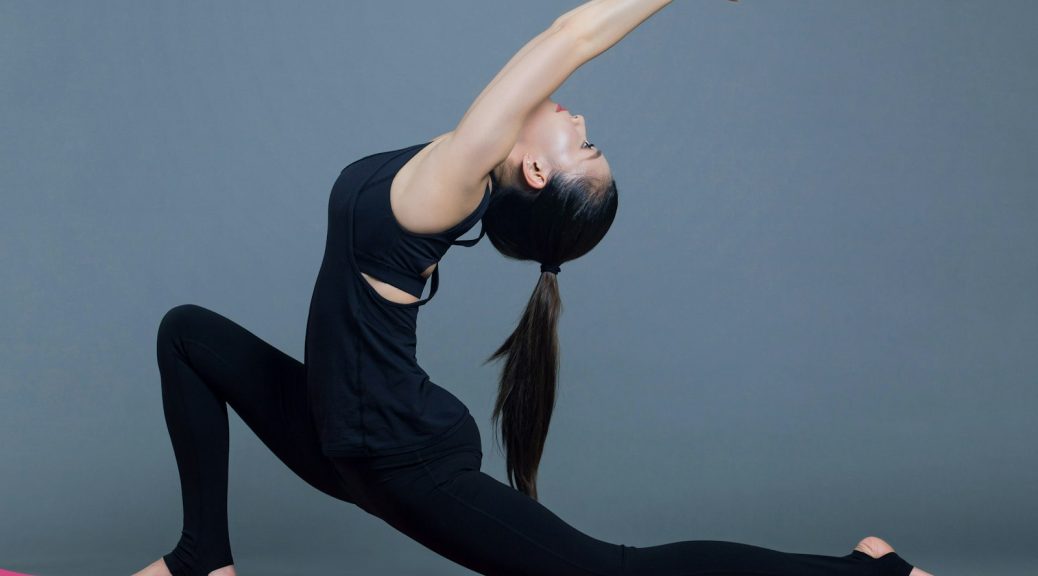
Stretching won’t transform your fitness on its own, but regular, gentle stretching can help you move more comfortably.
Quick points
- Dynamic stretches, which keep you moving, suit a warm-up; static stretches, where you hold a position, suit the end of a workout.
- For most adults, holding a static stretch for 10 to 30 seconds is commonly recommended; older adults may benefit from 30 to 60 seconds.
- Stretch to a feeling of mild tension, never pain, and don’t bounce.
- Australia’s movement guidelines recommend mobility, balance and coordination activities on 3 or more days a week.
Stretching is one of the most familiar parts of exercise, yet it’s often rushed or skipped altogether. Done well, it can help you move more freely, and it’s a relaxing way to finish a workout.
Static vs dynamic stretching
| Type | What it is | Best time |
|---|---|---|
| Dynamic | Controlled movements through a range of motion, such as leg swings and arm circles | Warm-ups |
| Static | Moving into a stretch and holding it still | After exercise or in a separate session |
Our guide to warming up covers dynamic movements in more detail.
How to do a static stretch
- Move slowly into the stretch until you feel mild tension, not pain.
- Hold it steadily for about 10 to 30 seconds, breathing normally. Older adults may benefit from holding for 30 to 60 seconds.
- Don’t bounce.
- Repeat two to four times for each muscle group, aiming for around a minute in total.
These figures follow general recommendations from the American College of Sports Medicine.
A simple routine after exercise
- Calf stretch: hands on a wall, one leg back with the heel down.
- Hamstring stretch: sit with one leg straight and reach gently towards your toes.
- Hip flexor stretch: kneel on one knee and shift your hips forward.
- Thigh (quadriceps) stretch: stand holding a wall and bring one heel towards your bottom.
- Chest stretch: clasp your hands behind your back, or place one forearm against a doorframe.
- Upper back stretch: reach your arms out in front and gently round your upper back.
Training tip
Stretch while you watch TV or wait for the kettle. Short, regular sessions are easier to keep up than long ones.
Stretching, mobility and balance
Australia’s 24-hour movement guidelines recommend functional activities that target mobility, balance and coordination on 3 or more days a week. Stretching, yoga, Pilates, tai chi and dancing can all contribute.
Safety first
If you’ve recently had surgery, have joint replacements, osteoporosis or very flexible joints, or you’re pregnant, ask a physiotherapist which stretches suit you. Stop any stretch that causes sharp or shooting pain, numbness or tingling.
A few minutes most days
A few minutes most days will do more for your flexibility than an occasional long session. Pair stretching with something you already do, such as the end of your bodyweight workout.
Questions we get
How often should I stretch?
Two or three times a week is a common minimum, and daily stretching tends to give more benefit. Little and often works well.
Can stretching prevent injuries?
The evidence is mixed. Warming up properly and increasing your training gradually appear to matter more.
Is yoga a good way to stretch?
Yes. Yoga, Pilates and tai chi combine flexibility with strength and balance, which also helps meet the guideline for mobility, balance and coordination activities.
This article is general information, not personalised medical or fitness advice. Talk to your GP, a physiotherapist or an accredited exercise physiologist before starting a new exercise program if you have a health condition or injury, are pregnant or haven’t been active for a while. In an emergency, call 000.