You don’t need a complicated program. A few compound exercises, done consistently, build strength steadily.
Quick points
- Aim to work all your major muscle groups on 2 or more days a week.
- Many beginner programs use 1 to 3 sets of 8 to 12 repetitions per exercise.
- Choose a weight or version where the last couple of reps feel challenging but your form stays good.
- Increase the challenge gradually by adding reps, sets or a little weight, one change at a time.
Strength training, also called resistance training, means making your muscles work against a force, such as your bodyweight, a resistance band or weights. It helps keep your muscles and bones strong and makes everyday tasks, such as carrying the shopping or climbing stairs, easier.
Key terms
| Term | What it means |
|---|---|
| Rep (repetition) | One complete movement, such as one squat |
| Set | A group of reps done without stopping |
| Rest | The break between sets |
| Load | The weight or resistance you’re using |
| Progression | Gradually making the exercise harder over time |
A simple starting point
- How often: 2 or 3 sessions a week, on non-consecutive days.
- Exercises: 5 to 8 exercises covering your legs, hips, back, chest, shoulders, arms and core.
- Sets and reps: 1 to 3 sets of 8 to 12 reps per exercise.
- Rest: 60 to 90 seconds between sets.
- Effort: the last two reps of each set should feel challenging, while your form stays good.
Our beginner bodyweight workout is a ready-made routine that follows these principles.
Choosing exercises
Compound exercises, which use several muscle groups at once, give you the most value for your time:
- Legs and hips: squats, lunges, step-ups, glute bridges
- Push: push-ups, overhead presses
- Pull: rows with a band or dumbbell
- Core: planks, bird dogs
Training tip
Write down what you do each session: the exercise, the weight or version, and your sets and reps. It’s the easiest way to see your progress and know when to make things harder.
Progressing safely
When you can do 12 good-quality reps for all your sets, make the exercise a little harder: add a small amount of weight, choose a harder version or slow the movement down. Change only one thing at a time.
It’s normal to feel some muscle soreness a day or two after a new workout. Our guide to muscle soreness explains what’s normal and what isn’t.
Safety first
If you have high blood pressure, a heart condition, osteoporosis or a recent injury, or you’re pregnant, ask your GP, a physiotherapist or an accredited exercise physiologist which exercises suit you. Avoid holding your breath while lifting; breathe out as you push or lift.
Consistency first
For beginners, the biggest factor is turning up. Two short sessions every week for months will do far more than an intense program you abandon after a fortnight.
Questions we get
Will strength training make me bulky?
Not usually. Building large muscles takes years of targeted training and eating. For most people, regular strength training improves strength, function and confidence.
Do I need a gym?
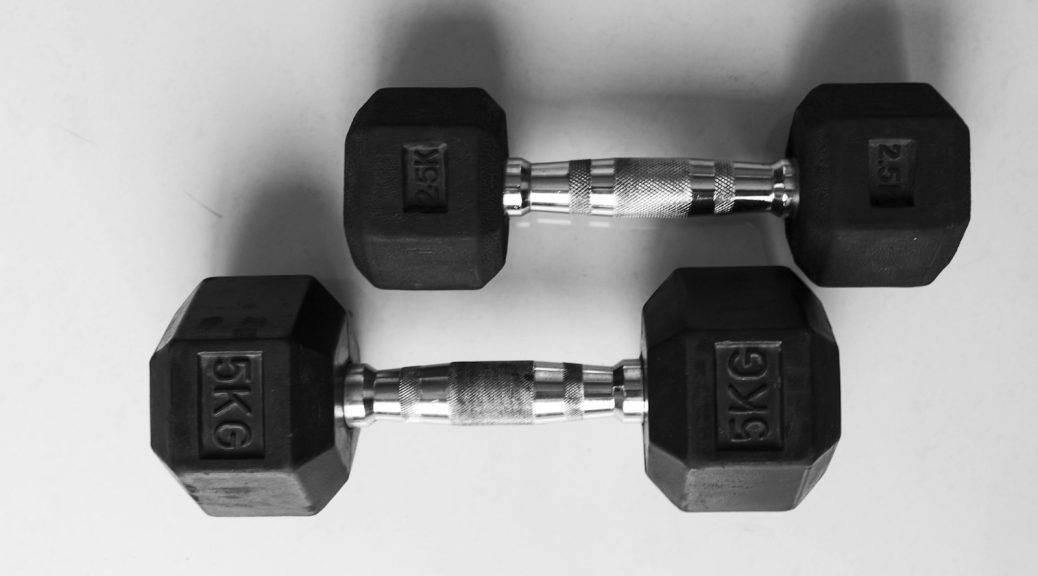
No. Bodyweight exercises, resistance bands and a pair of dumbbells at home are enough to get started.
How long should I rest between workouts?
Give each muscle group about 48 hours before working it hard again. Full-body sessions on Monday and Thursday, for example, work well.
This article is general information, not personalised medical or fitness advice. Talk to your GP, a physiotherapist or an accredited exercise physiologist before starting a new exercise program if you have a health condition or injury, are pregnant or haven’t been active for a while. In an emergency, call 000.